

Contact
Find us
- 7th Floor, Forum House,
15-18 Lime St, London EC3M 7AN
© 2024 RCK Partners - Company House No: 12396021

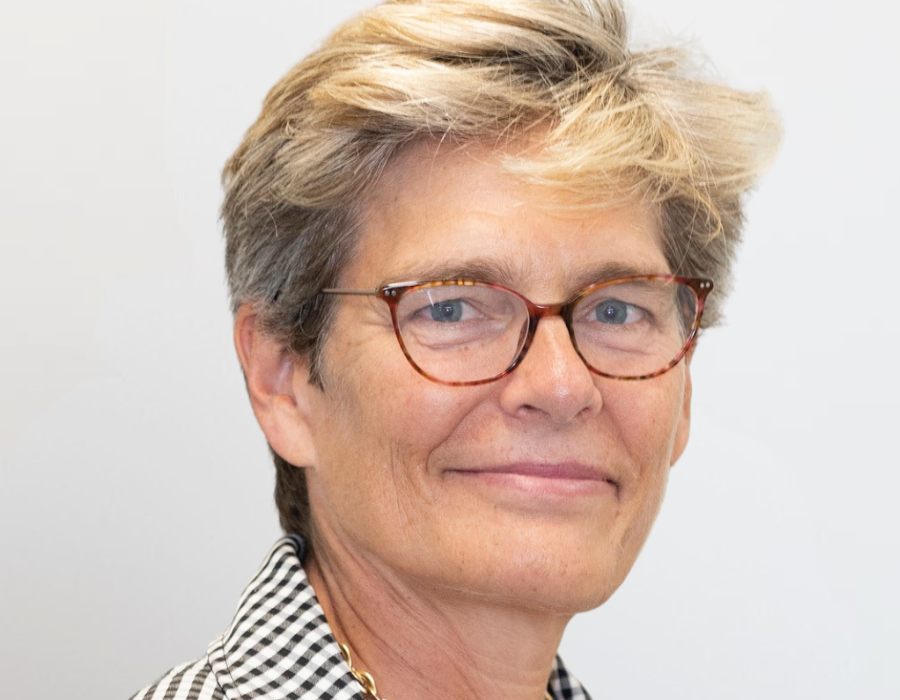
When I walked into the office, I was still feeling elated from our grand launch party the night party before. I and my staff of 15 people had all worked nights and weekends for weeks to put together our new directory of all the publicly traded companies in the Czech Republic, timed to release when the stock exchange reopened after 40 years of communist rule in the spring of 1993. We had invited all the CEOs, major investors and key stakeholders to a grand outdoor party at a palace on one of the hills above Prague. It was truly a night to remember, with a fantastic live band and dancing until dawn.
When I walked into the office the next morning, I expected happy faces and chatter full of the night’s gossip. Instead, 14 of my 15 staff handed me their resignations. They had all accepted an offer from a new publisher in town who promised to double their salaries and give them the autonomy that I had never granted them.
That was one of my milestone lessons in leadership. I choked my business by micromanaging it. What I saw as striving for perfection, my team saw as painful interference and a lack of trust in their competence. I had to rebuild my staff and my operating model from scratch that day.
Fast forward 30+ years and I’ve repeatedly seen examples of the adage “what got you here won’t get you there.” The leadership qualities that start up a business in it's early stages are rarely the same qualities that enable the business to scale, or the ones needed to run large corporations.
Initially, a business needs a fire-starter. The founder has so much passion that they build a business from a blank sheet of paper. They so deeply believe in their idea that they risk financial and family stability to see it come to life. I remember walking around with a 5-page business plan at a family reunion to raise the initial $15,000 capital for my Prague business. The founder is usually strong-willed, inspiring and often charismatic. They’re driven by a strong personal vision that guides the company forward and inspires others to join the journey. At this very early stage, a leader often doesn’t delegate effectively because they are figuring out for themselves what needs to be done. It is still experimental. The founder wants to involve themselves in every detail, ensuring that their vision isn’t compromised on the way to production and release. At this stage, the work is very time-limited, focused on everything from immediate firefighting to strategic moves for the next 6 months.
Scaling up requires a shift to the company’s time horizons –from the 6 months to 3-5 years. The founder needs to build a leadership team who can create the strategic planning and operational discipline needed to move the company from a “one hit wonder” into a machine that produces hits repeatedly. This requires a mindset shift in the way a founder operates. I've often seen the founder move from a CEO position to another role, often in innovation or R&D, once the company gets its scaling funding (Series A/B+), because the company needs a different kind of leader at this stage. It needs someone who is adept at longer-term strategic thinking, a disciplined operational leader who thinks as much about efficiency and cost control as about innovation and new products. Someone who brings a bit of order to the messiness that is inherent in early-stage businesses. The Scaling CEO is often very well connected to the markets as well, bringing future investors into the camp. While it might seem cruel to move the founder out of the CEO seat, the founder can be the biggest beneficiary because their shares accrue more value if they have the right person in that seat.
Throughout my career, I have repeatedly observed this. The best leaders know when to step aside to enable others to guide the business through the next phase. What makes you a great leader today can hold you back tomorrow. It’s crucial that leaders recognise this and adapt as a business moves forward. The greatest leaders are experts at anticipation. They understand that success is not clinging to the past but anticipating the future and evolving before the business as the market demands it. In growth, standing still isn't any option and leaders need to adapt and empower others to do what they are best at.
MB Christie,
Strategic Adviser to RCK Partners.
A practical guide to Research and Development Allowances (RDAs), including qualifying capital expenditure, laboratories, pilot plants, R&D facilities, interaction with R&D tax relief, and how businesses can maximise tax savings on innovation projects.
The classification of R&D subcontracting ownership remains a highly debated and complex aspect of R&D tax credit claims and has historically led to confusion among claimants. This article explains how to identify R&D ownership for tax purposes.